Fair Trade Macrame Manufacturer In India
Wiki Article
In the modern interior design landscape, the “Boho-chic” movement has evolved from a niche aesthetic into a multi-billion-dollar global industry. At the center of this movement lies macrame—the intricate art of hand-knotting. As consumers become more conscious of the “who” and “how” behind their purchases, the demand for ethically produced goods has skyrocketed. Among the myriad of producers, More Textiles has solidified its position as one of the leading manufacturers and exporters of macrame home decor in India. By marrying ancient Indian knotting traditions with rigorous Fair Trade standards, they have become the go-to partner for global retailers and boutique brands alike. Macrame is an ancient craft, believed to have originated with 13th-century Arab weavers. It traveled through sea routes, practiced by sailors, and eventually found its way into the heart of Indian textile culture. Today, macrame is no longer just a hobbyist’s craft; it is a sophisticated element of modern luxury decor. However, as demand increases, the market is often flooded with low-quality, machine-mimicked, or sweatshop-produced goods. This is where More Textiles differentiates itself. By focusing on high-grade materials and artisan-led production, they ensure that every “knot” tells a story of quality and resilience. The term “Fair Trade” is often used loosely, but for a manufacturer operating at the scale of More Textiles, it is a comprehensive operational philosophy. In many parts of the world, textile workers are trapped in cycles of poverty. More Textiles breaks this cycle by ensuring that every artisan—many of whom are women from rural communities—receives a wage that exceeds the local minimum. This “Living Wage” allows artisans to invest in their children’s education, healthcare, and better housing. The macrame industry in India is a significant driver of female workforce participation. More Textiles provides a flexible yet stable environment where women can utilize their traditional skills to gain financial independence. This empowerment ripples through entire villages, shifting the socio-economic dynamics of the region. Beyond pay, Fair Trade is about the environment. More Textiles maintains factory standards that prioritize ventilation, ergonomic seating (essential for hand-knotting), and a culture of mutual respect. There is a zero-tolerance policy for child labor or forced labor, audited to meet international export requirements. As a leading manufacturer, More Textiles has mastered the balance between artisanal hand-work and industrial-grade quality control. Sustainability starts with the raw fiber. More Textiles primarily uses: While they respect tradition, the design team at More Textiles stays ahead of global trends. They utilize a collaborative approach, working with international designers to create collections that suit minimalist Scandinavian homes, vibrant Mediterranean villas, or industrial lofts. In the export world, consistency is king. More Textiles employs a multi-stage QC process: India is uniquely positioned as a global hub for macrame for several reasons: A “Leading Manufacturer” must look toward the future. More Textiles integrates eco-friendly practices throughout their supply chain: The portfolio of More Textiles extends far beyond the simple plant hanger. Their export range includes: The success of More Textiles as a leading manufacturer and exporter of macrame home decor in India is not just built on threads and knots. It is built on the trust of global partners and the dignity of local artisans. By choosing to work with a Fair Trade leader, retailers aren’t just buying a product—they are supporting a sustainable ecosystem that values people and the planet as much as profit. In the world of More Textiles, every knot is a promise kept. More Textiles combines large-scale production capacity with authentic hand-craftsmanship. Our ability to maintain Fair Trade certification while meeting the high-volume demands of international exporters sets us apart in the Indian textile industry. Yes. We specialize in OEM and private label services. We can develop custom designs, unique knotting patterns, and specific color palettes tailored to your brand’s identity. We adhere to the 10 Principles of Fair Trade, which include fair payment, no child labor, gender equity, and environmental protection. We maintain transparency in our supply chain and welcome audits from our international partners. We primarily use 100% natural cotton, recycled cotton, jute, and hemp. All our wooden components (dowels, rings) are sourced sustainably, and our dyes are non-toxic and eco-friendly. Lead times vary based on order volume and design complexity. Generally, bulk export orders take between 4 to 8 weeks. We prioritize clear communication and timely delivery to maintain our reputation as a top exporter. Absolutely. Our production facility is scaled to handle high-volume orders. We have established logistics partnerships to ensure smooth shipping and customs clearance to any part of the world. India offers a unique combination of high-quality raw cotton and a deep-rooted heritage of artisanal skill. More Textiles leverages these advantages to provide premium products at competitive prices compared to other regions.The Resurgence of Macrame: Why Quality Matters
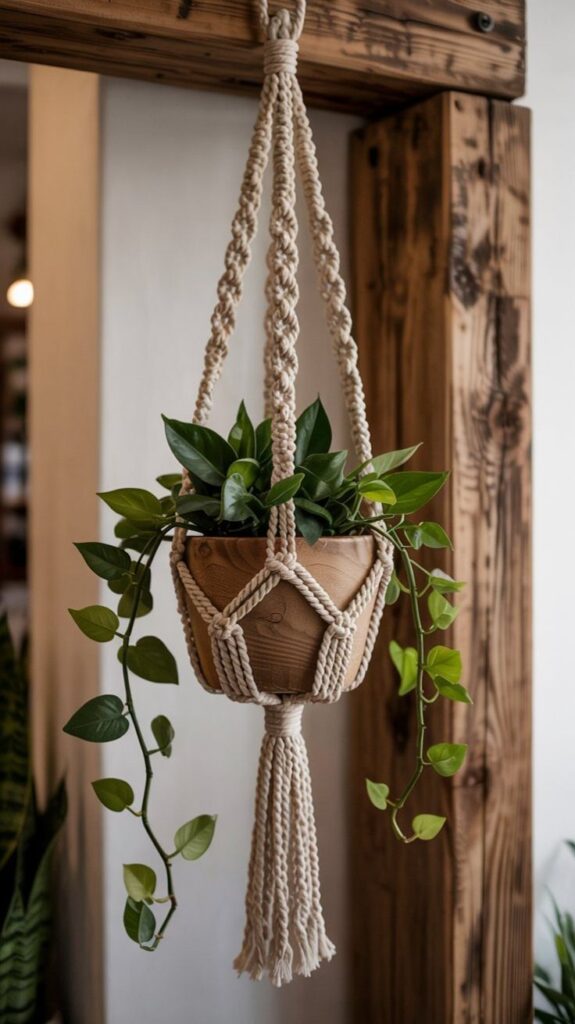
What Defines “Fair Trade” at More Textiles?
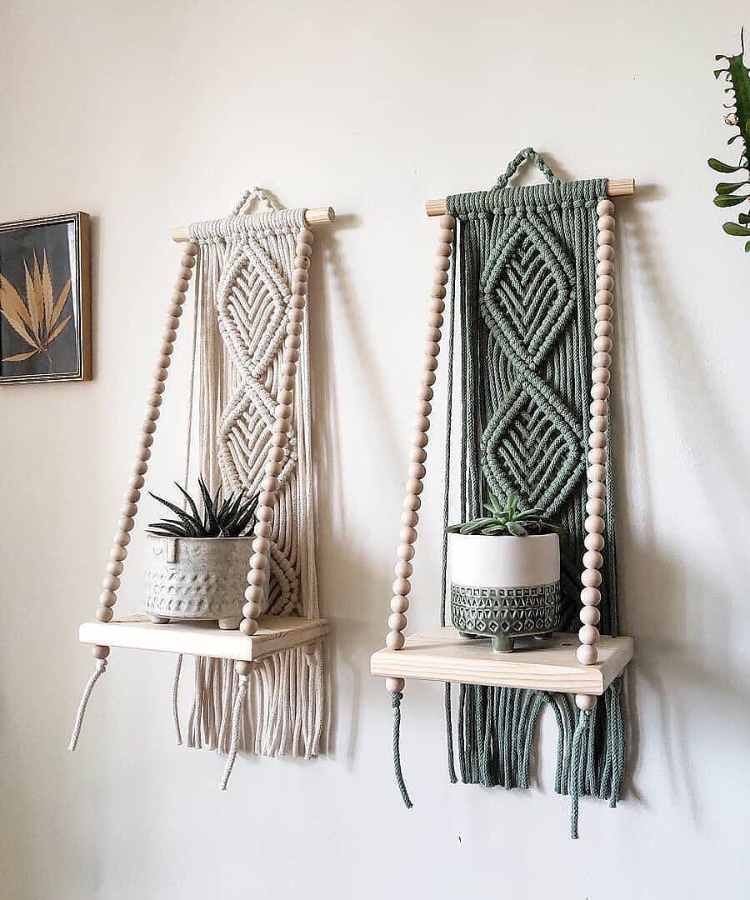
1. Economic Justice and Living Wages
2. Women’s Empowerment
3. Workplace Safety and Dignity
The Anatomy of Excellence: The Production Process

Material Sourcing
Design and Prototyping
Quality Control (QC)
The Strategic Advantage: Why Export from India?
Environmental Stewardship: Beyond the Knot
Product Range: The Versatility of More Textiles
Conclusion: A Partnership for the Future
Frequently Asked Questions (FAQs)
1. What makes More Textiles a “leading” manufacturer in India?
2. Does More Textiles offer customization for private labels?
3. How does More Textiles ensure the “Fair Trade” status?
4. What materials are used in your macrame products?
5. What is the typical lead time for an export order?
6. Can you handle large-scale orders for global retail chains?
7. Why should I choose macrame from India over other countries?